

In Uganda’s shifting media and political landscape, few stories capture the risks of ambition as starkly as that of Nabimanya Julius.
A former Next Media bureau chief, Julius once stood at the peak of his career. His journey through Uganda’s media industry was marked by steady rise and recognition, from his early days at Central Broadcasting Services to his eventual move to Next Media Services in 2020—an institution many young journalists aspire to join.
At Next Media, Julius thrived under the mentorship of CEO Kin Kariisa, an experience he describes as transformative. “He made me feel not just like an employee, but a shareholder,” he recalls.
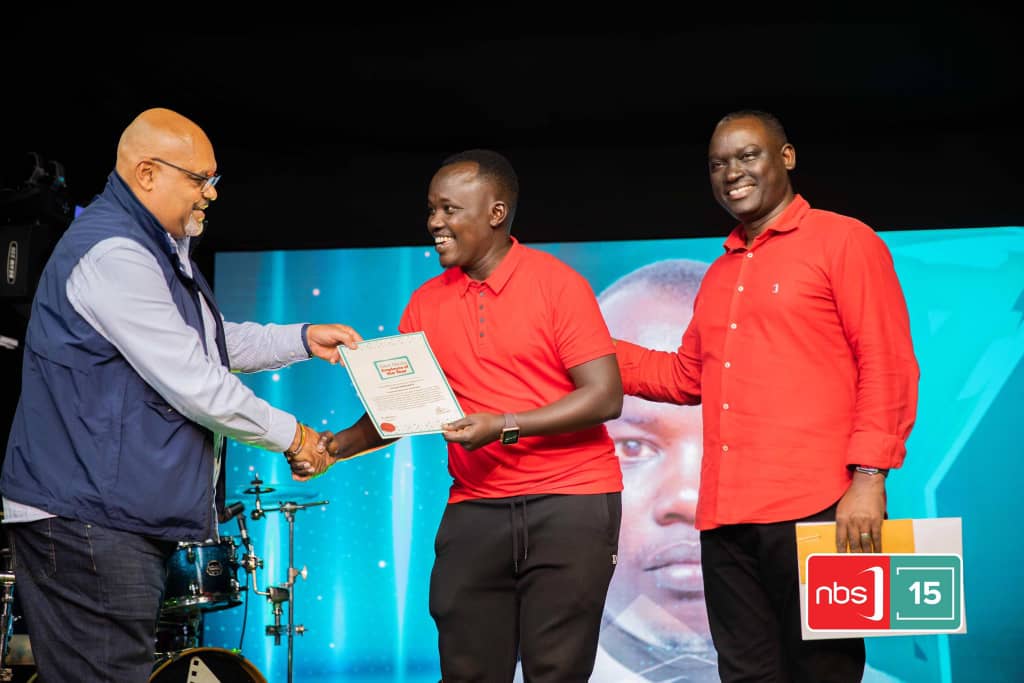
His dedication paid off. By 2022, he had been named Employee of the Year, a title he retained in 2023, cementing his reputation as one of the most outstanding reporters in the Tooro and Rwenzori regions.
His work extended beyond routine reporting; he covered high-risk assignments, including Operation Shujaa—a joint military effort between the Uganda People’s Defence Forces and Congolese forces against ADF rebels.
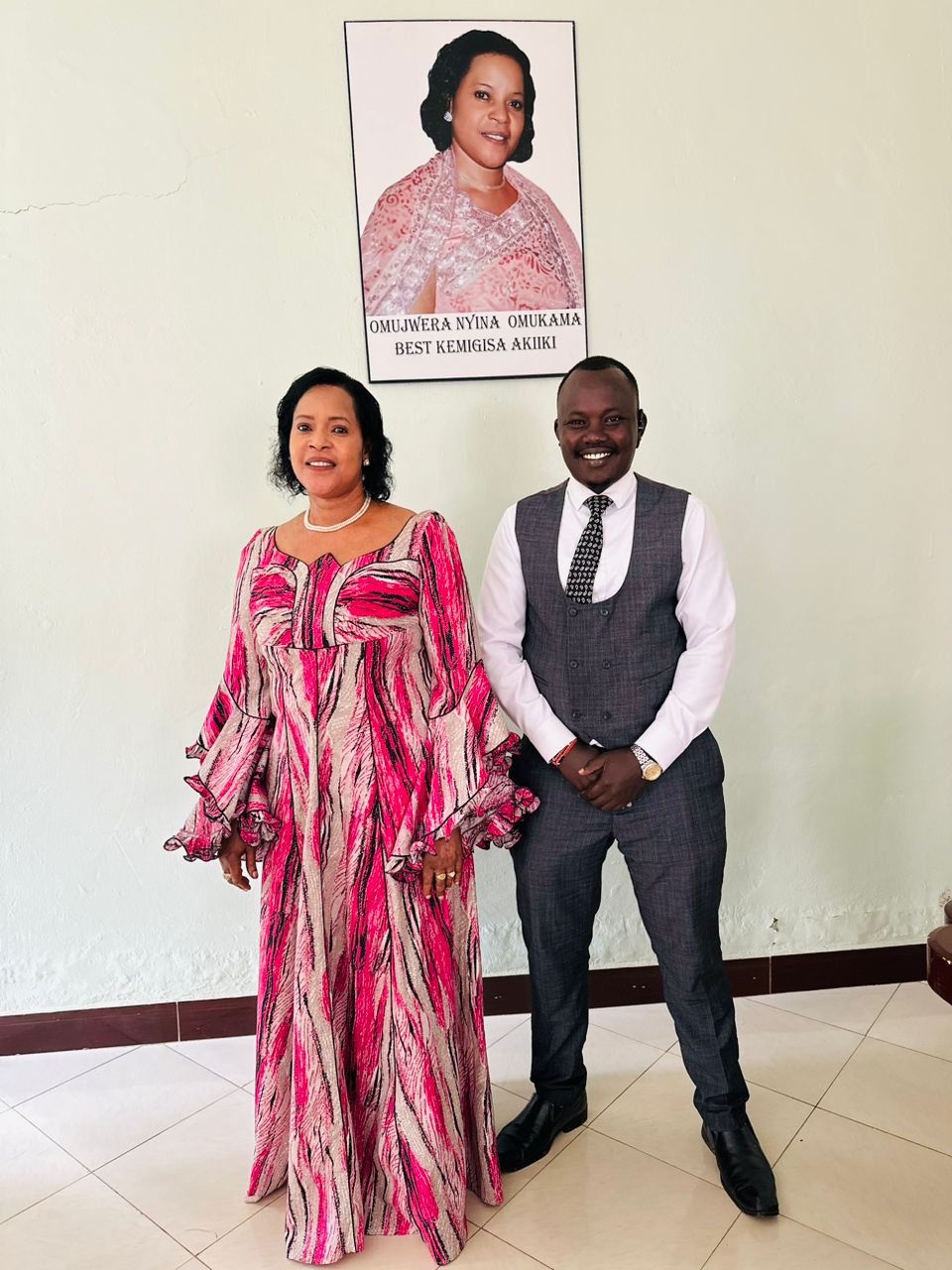
His reporting earned him rare recognition, including a personal commendation from Oyo Nyimba Kabamba Iguru Rukidi IV, who hosted him at the palace—an honour few journalists attain.
Yet even at the height of his success, a new ambition was taking shape.
Driven by his experiences in conflict reporting and a desire to serve, Julius turned his focus to politics, setting his sights on representing Nakaseke North Constituency under the NRM ticket. What began as quiet grassroots engagement soon grew into a full transition—one that would ultimately cost him his newsroom career.
Looking back, he admits the decision was miscalculated.
“I do regret my choices, the outcomes didn’t match my expectations,” he says candidly.
One of his biggest assumptions—that media visibility would translate into political support—quickly unraveled on the ground.
“The fame you see on TV mostly reflects in urban areas where people have access to television, not in a remote constituency like Nakaseke North,” he explains.
As his political involvement deepened, his role at Next Media came to an abrupt end. What followed was a high-stakes plunge into electoral politics, one that demanded not only resilience but significant financial sacrifice.
Julius reveals he funded his campaign largely from personal investments.
“The money came from my bull fattening project over five years and from selling cows,” he says.
In total, Julius claims he spent over Shs200 million on the campaign—an enormous sum built over years of work. But the investment did not yield victory.
His experience also exposed the financial realities of modern Ugandan politics.
“Politics today is highly commercialised; many voters are influenced more by money than ideas,” he notes, offering a sobering assessment of the system.
Now reflecting on his journey, Julius shares advice for others considering a similar path:
“Anyone planning to quit their job for this should have at least 500 million shillings saved, and ideally some guarantee of getting their job back if things don’t go as planned.”
His story subtly echoes a wider, often unspoken reality in Uganda—where professionals leave stable careers for political ambition, only to face uncertain outcomes and limited safety nets.
Today, Julius’ journey stands not just as a personal reflection, but as a broader commentary on the fragile intersection between media influence and political viability.
It challenges the assumption that public visibility equals grassroots support—and highlights the steep, often underestimated cost of crossing from journalism into politics.
For many, it is a dream worth chasing. For Julius, it has become a lesson hard earned—and one he now shares with quiet honesty.
